Featured
Table of Contents
For numerous executives and business owners, the standard business trip as soon as followed a foreseeable pattern., told PYMNTS in a current roundtable discussion that the change reflects a more comprehensive reassessment of how organization owners approach travel and work-life balance. "We're definitely seeing a shift away from the common pure roadway warrior mindset where individual and organization travel utilized to be separate," he said.
Travel can place heavy demands on workers, and enabling employees to stay in a destination for a brief duration after a conference can soften the pressure that frequent travel enforces. Ad: Scroll to Continue The trend is also shown in how services consider their monetary tools. Business spending, especially through business charge card, progressively supports travel that brings both expert and individual worth.
Advantages of Nonprofit Debt Relief for 2026
Arons said numerous companies now encourage employees to extend trips when situations permit. For companies, such versatility can serve as an advantage that helps balance out the disruption associated with frequent travel while also enhancing spirits.
Unlike larger corporations with specialized travel departments, business owners frequently handle travel arrangements themselves, and the capability to obtain both expert and individual worth from a single trip carries strong appeal. The advancement of organization travel has influenced what entrepreneurs look for from the financial tools they use to manage expenditures. Business owners frequently operate with limited time and resources, making simpleness a main factor to consider when selecting payment items.
Arons stated that issue is one of the many discomfort points the Venture X Company card is built to reduce for service owners. "Entrepreneur shouldn't need to spend hours investigating how to redeem their rewards," he said. "They should not require an Excel spreadsheet to track all the benefits they have." Benefits made from service purchases can be applied in a number of ways, including balancing out travel expenses, updating flights or hotels, or covering expenditures for employees participating in occasions and meetings.
Effective Financial Education in 2026
Lindsay Silberman, founder of scent brand Hotel Lobby Candle, signed up with the conversation to provide examples of how business travel and individual travel can intersect for business owners. Silberman formerly spent a years as a publication editor discussing luxury hotels before launching the company during the pandemic. The brand emerged from her fascination with how scent records the memory of travel experiences.
That spending covers a large variety of activities, from marketing purchases and inventory orders to travel associated with item advancement and marketing. Please add us to your preferred sources list so our news, data and interviews reveal up in your feed.
"We put whatever from Meta and Google advertisement spend to flights to hotel stays, places for photo shoots and stock," Silberman told PYMNTS. Frequent travel also highlights how certain card benefits serve practical functions for business owners rather than simple high-end.
"I can be a very relaxed tourist as long as I understand I have an excellent lounge," she said, noting that current trips involved various flight delays. "Knowing there's a Capital One lounge where I can get great food, strong Wi-Fi and unwind offers me assurance." From the perspective of service owners, Arons said these facilities frequently bring operational worth.
"It's really an essential" to make it possible for better business results. Time invested in hotels or travel locations can offer concepts for future items or marketing projects.
Steps to Find Low Interest Loans in 2026
A trip that starts with an expert responsibility may create creative insights that affect the instructions of the company itself. As travel patterns support following pandemic interruptions, numerous observers anticipate the mixing of work and leisure travel to remain an enduring feature of the contemporary organization environment. Entrepreneurs, freelancers and executives increasingly operate within flexible schedules that allow expert responsibilities and personal priorities to coexist.
Interest grows silently. Minimum payments feel manageable. One day the balance feels stuck.
Why Consolidate Variable Credit in 2026?
Credit cards charge some of the greatest consumer interest rates. When balances remain, interest eats a big portion of each payment.
The goal is not only to eliminate balances. The genuine win is developing routines that prevent future debt cycles. List every card: Present balance Interest rate Minimum payment Due date Put whatever in one file.
Clearness is the foundation of every reliable credit card debt payoff strategy. Time out non-essential credit card costs. Practical actions: Usage debit or cash for day-to-day spending Eliminate saved cards from apps Delay impulse purchases This separates old debt from existing behavior.
A little emergency buffer avoids that obstacle. Objective for: $500$1,000 starter savingsor One month of vital expenditures Keep this money available however separate from spending accounts. This cushion safeguards your reward plan when life gets unforeseeable. This is where your financial obligation strategy USA approach becomes concentrated. Two tested systems control personal finance since they work.
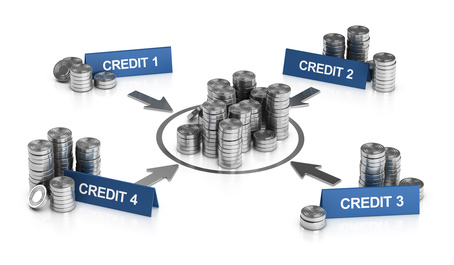
Smartest Ways to Eliminate Debt in 2026
As soon as that card is gone, you roll the freed payment into the next tiniest balance. The avalanche approach targets the highest interest rate.

Latest Posts
Advanced Loan Tools for Precise 2026 Planning
Guide to Financial Counseling in 2026
Top Ways to Eliminate Balances in 2026